
Key Takeaways
- Immediate intervention when a pothole appears prevents the damage from spreading to the rest of the road structure.
- Correct cleaning and preparation of the damaged area are essential for the new material to bond properly with the old.
- Using the right type of asphalt mix ensures that the patch remains stable under the pressure of heavy traffic.
Introduction
Potholes are more than just a nuisance for drivers; they are a sign of underlying structural issues that can compromise the safety of a road. Effective pothole patching is a vital part of urban maintenance that protects both vehicles and pedestrians. When water seeps into the sub-base of a road and is then subjected to the pressure of traffic, the surface begins to collapse. If these holes are left unattended, they can grow rapidly, leading to expensive repairs and potential accidents. Understanding the correct procedures for fixing these issues ensures that the repairs are durable and the road surface remains smooth.
Do Prepare the Area Thoroughly
The success of a repair depends heavily on what happens before the asphalt is even poured. You must ensure that the hole is cleared of all debris, loose gravel, and standing water. A clean, dry environment allows the patching material to adhere firmly to the existing road surface. Squaring off the edges of the pothole also provides a vertical wall for the new material to press against, which creates a much stronger bond. This attention to detail in the early stages prevents the patch from popping out a few weeks later.
Don’t Hire an Unqualified Road Contractor in Singapore
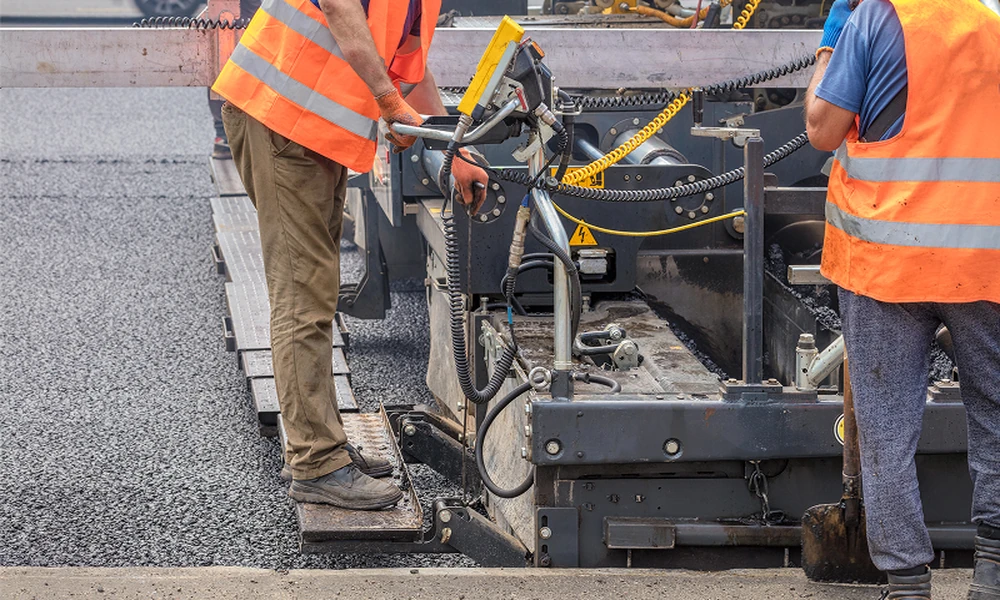
Choosing the right team for the job is just as important as the materials used. You should never settle for an inexperienced road contractor in Singapore who might cut corners on the compaction process. Proper compaction requires industrial rollers or plate tampers to remove air pockets and ensure the material is dense enough to support heavy loads. A reputable firm will also have a deep understanding of the local climate and how it affects the curing process of the asphalt. Checking for a proven track record in large-scale infrastructure projects is a reliable way to gauge a company’s capability.
Do Use High-Quality Materials
Not all patching materials are the same, and the choice often depends on the urgency and the weather conditions. Cold mix asphalt is useful for temporary fixes during wet weather, but hot mix asphalt is generally preferred for permanent, high-durability repairs. The hot mix binds more effectively with the surrounding surface, creating a seamless finish that resists water penetration. Investing in better materials at the outset reduces the need for repeat visits to the same spot, which ultimately lowers the overall maintenance budget for the property or facility.
Don’t Ignore Small Surface Cracks
Cracks are the precursors to potholes, and ignoring them is a mistake that leads to bigger problems. When you spot “alligator cracking”, a pattern that looks like reptile scales, it is an indication that the road is failing. Sealing these cracks early prevents water from entering the base layer, which is the primary cause of pothole formation. A proactive maintenance schedule that includes regular surveys of the pavement surface is the most effective way to manage infrastructure.
Conclusion
Following the correct protocols for pothole patching ensures that your roads remain safe and functional for all users. Small, inexpensive interventions today can prevent the need for total resurfacing tomorrow. By focusing on preparation and hiring the right experts, you can achieve results that stand the test of time. Let the experts handle your infrastructure needs with precision and care.
Contact United E&P to learn more about professional road maintenance and construction services.