
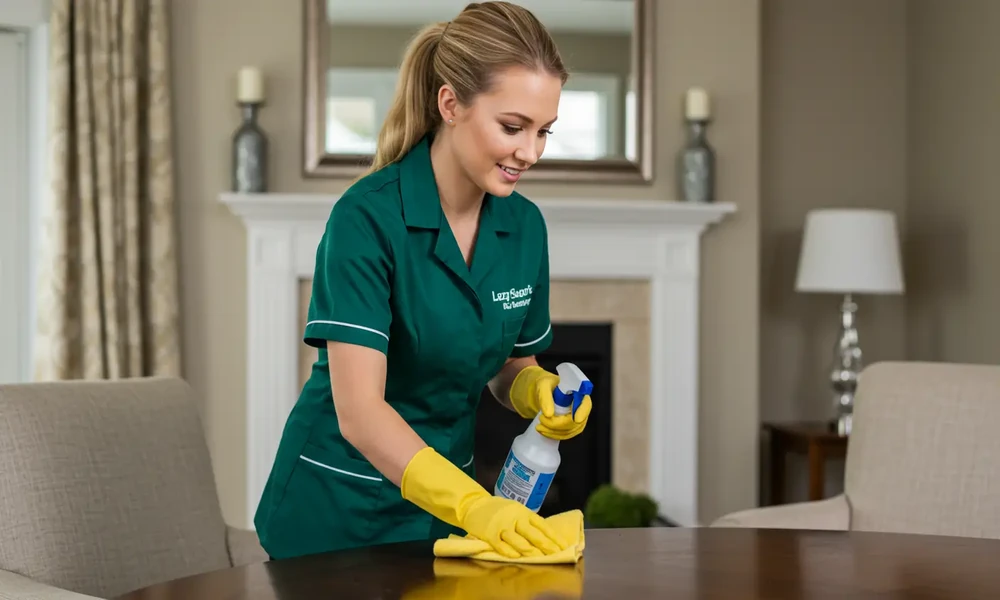
Hiring a cleaner should make a property easier to manage, not create another loose end. Whether you run a vacation rental near downtown St. George, manage a small office off Bluff Street, or need help during red-dust season, the right provider should understand what each room requires before quoting the job.
A room-by-room checklist helps you compare companies, ask better questions, and avoid paying for “standard cleaning” that skips the areas guests, customers, tenants, or family notice first.
Start With the Rooms That Carry the Most Risk
Not every space has the same impact. A dusty bedroom matters, but a poorly cleaned restroom can damage your reputation fast. Before hiring anyone, identify the rooms where missed details could cost you money, reviews, or repeat business.
For short-term rentals, bathrooms and kitchens often decide whether a guest leaves five stars or a complaint. For offices, restrooms, entryways, and break rooms shape daily comfort. For homes, kitchens, living spaces, and high-traffic floors usually need steady attention.
When comparing St George cleaning services, ask each company how they handle these priority areas, what is included by default, and what costs extra. A clear answer matters more than a cheap quote.
Kitchen Checklist: Grease, Dust, and Hidden Surfaces
The kitchen can look clean at first glance while still hiding problems. In St. George, fine dust settles quickly on counters, cabinet edges, and appliances, especially after windy days.
Ask whether kitchen service includes:
- Wiping cabinet fronts and handles
- Cleaning appliance exteriors
- Sanitizing countertops and backsplashes
- Cleaning sink basins, faucets, and drain areas
- Wiping tables, chairs, bar stools, and high-touch surfaces
- Sweeping and mopping under movable furniture
- Removing trash and replacing liners
For rentals or shared office kitchens, confirm whether the cleaner checks inside microwaves, removes old food from refrigerators, and handles spills inside drawers or cabinets. These details prevent odors, pests, and complaints.
If you operate a business, ask what products they use on food-contact surfaces. The wrong cleaner can leave residue or damage stone, stainless steel, or sealed wood.
Bathroom Checklist: Sanitation Comes First
Bathrooms need more than shine. They require a repeatable sanitation process. Vague language like “freshen up the restroom” should make you pause.
A dependable bathroom checklist should include:
- Toilets cleaned inside, outside, behind, and around the base
- Sinks, faucets, counters, and mirrors cleaned
- Shower walls, tubs, doors, and fixtures addressed
- Soap residue and hard-water spots treated
- Floors swept and mopped, including corners
- Trash removed and liners replaced
- Touchpoints sanitized, including handles, switches, and dispensers
Hard water is common in Southern Utah, so ask how the company handles mineral buildup. If they only wipe fixtures, buildup may return quickly. For vacation rentals, ask whether they report slow drains, loose toilet seats, leaks, or mold concerns. A cleaner who flags small issues can help prevent larger repair costs.
Living Areas and Lobbies: Where First Impressions Form
Living rooms, waiting rooms, and lobbies show people how well the property is maintained. These spaces collect dust, fingerprints, crumbs, pet hair, and grit from parking lots, patios, and desert landscaping.
Your checklist should cover:
- Dusting tables, shelves, window ledges, and décor
- Vacuuming carpets and rugs
- Sweeping and mopping hard floors
- Cleaning glass doors and interior window smudges
- Straightening cushions, chairs, and shared materials
- Sanitizing remotes, switches, handles, and railings
- Checking corners, baseboards, and ceiling fan dust
For business owners, lobby cleanliness affects trust. A client may not mention a dusty table, but they will notice it. For rental owners, living areas often appear in listing photos, so the arrival experience should match what guests saw online.
Bedrooms and Private Offices: Respect, Detail, and Consistency
Bedrooms and offices require trust. Cleaners may work around personal belongings, paperwork, electronics, or guest items. Before hiring, ask how the company trains staff to handle private spaces.
For bedrooms, confirm whether they:
- Dust nightstands, dressers, and headboards
- Vacuum under bed edges when accessible
- Wipe mirrors and visible surfaces
- Empty trash
- Change linens if requested
- Report stains, damage, or missing items for rentals
For offices, ask about desks, monitors, keyboards, phones, and paperwork. Many companies will not move documents, which is reasonable, but they should explain that policy clearly. If your office handles sensitive records, confirm whether staff are background checked and whether the company carries insurance.
Floors, Entryways, and Desert Dust
St. George properties deal with dust, sand, and grit from driveways, trails, construction areas, and landscaping. If floors are not cleaned correctly, grit can scratch surfaces and wear down finishes.
Ask what floor types the company can clean, including tile, laminate, vinyl, carpet, stone, and sealed concrete. Entryways may need extra attention during monsoon season, after windy days, or during high guest turnover months.
A good floor plan includes regular vacuuming, edge cleaning, proper mop water changes, and products that do not leave sticky residue. For commercial spaces, ask whether they can clean outside business hours so wet floors do not create a slip hazard.
Questions to Ask Before You Sign
Once you have walked through each room, use the checklist to compare providers side by side. Ask:
- What is included in a standard visit?
- What tasks require deep-clean pricing?
- Do you bring supplies and equipment?
- Are your cleaners insured?
- Will the same person or team come each time?
- How do you handle missed items?
- Can you provide a written checklist after each visit?
- Do you offer seasonal or move-out cleaning?
The best companies welcome specific questions. They know a clear scope protects both sides.
Make the Checklist Part of the Agreement
A cleaning service should not depend on assumptions. Before the first appointment, put the room-by-room scope in writing. Include frequency, priority rooms, add-on tasks, access instructions, product preferences, and any off-limits areas.
For homeowners, this prevents frustration. For property managers, it protects reviews. For business owners, it keeps the workspace presentable without constant follow-up.
A thoughtful checklist turns cleaning from a vague chore into a measurable service. When each room has clear expectations, you are more likely to get consistent results, fewer surprises, and a property that feels ready every time someone walks through the door.