
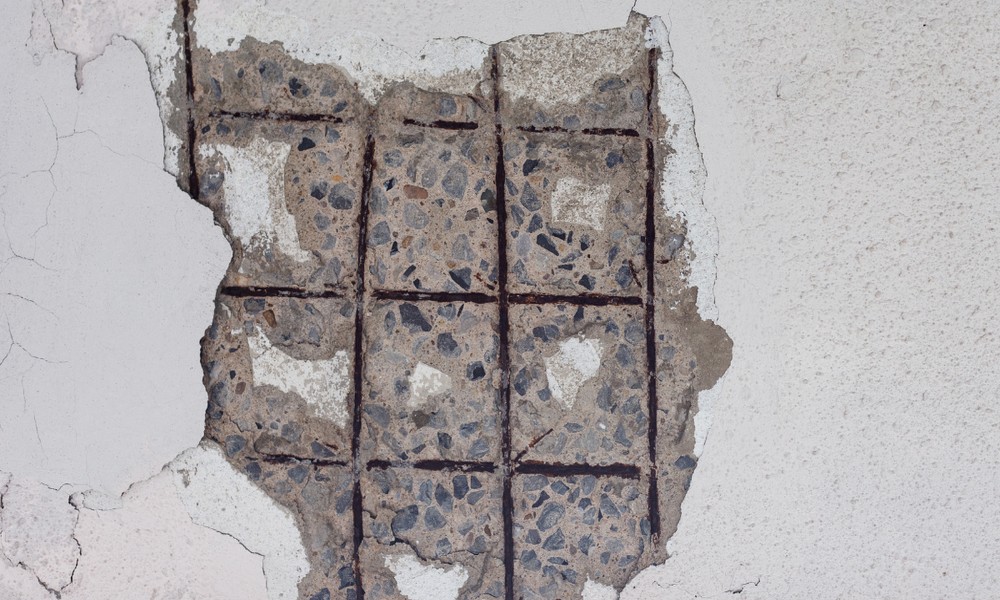
Rebars or steel reinforcing bars are the embedded reinforcement for concrete that carries tensile forces in columns, beams, and slabs. Over time, the rebars can corrode and weaken the concrete’s strength. What may seem solid on the outside may already be compromised underneath the surface.
Corrosion is a leading factor that threatens a building’s reinforced concrete durability. Property owners must thoroughly evaluate building conditions with a structural engineer New Jersey and implement solutions to manage these risks. If it is left unaddressed, corrosion can shorten the structures’ lifespan.
Concrete can handle a building’s heavy load, but it can struggle with prolonged stretching and bending over time. Rebars or steel reinforcement help concrete withstand forces as it absorbs tensile forces, prevents cracks, and improves overall structural stability.
However, one hidden vulnerability of a steel rebar is its susceptibility to corrosion. Once corrosion starts, damage can progress silently and remain undetectable until visible signs of distress appear on the concrete. It begins with the appearance of tiny cracks around the rebar, which is invisible without specialized testing. Over time, these small fissures can expand and become more visible on the surface, signaling the onset of structural deterioration.
When cracks reach the outer layers of a structure, sections of concrete material start to spall and detach. Furthermore, rust stains and flaking surfaces can indicate internal damage even if it appears superficial. Once it is exposed, these areas enable even more oxygen and water to penetrate, which can diminish the structural performance of concrete elements.
Visible signs of corrosion must be promptly addressed to avoid compromising the structural integrity of a building. Routine evaluations with the help of a professional building inspection engineer NJ can help property owners detect early warning signs by employing advanced non-destructive testing (NDT) technologies, such as infrared thermography, radar imaging, half-cell potential mapping, and moisture analysis. These tests help engineers uncover hidden corrosion and deterioration. Aside from testing, they can also monitor concrete crack progression, measure rebar coverage, and evaluate environmental conditions to determine areas at risk of corrosion.
Learn more about rebar failures and how concrete can fail from the inside with this infographic by Lockatong Engineering.
