
A toilet that gurgles after you flush it is easy to ignore. When the shower starts draining slowly as well, the problem is harder to dismiss. If your property uses a septic tank, knowing what different septic tank services cover can help you decide what to book. Emptying might be all you need, especially if the last visit was a long time ago. But the same symptoms can come from a blocked pipe or a drainage field that can no longer absorb wastewater as it should.
The most useful clues are often things you already know. Which drains are affected? Did the problem start after heavy rain? Did it come back soon after the tank was emptied? These details can help you decide what to book and give an engineer a clearer starting point.
What emptying a septic tank actually does
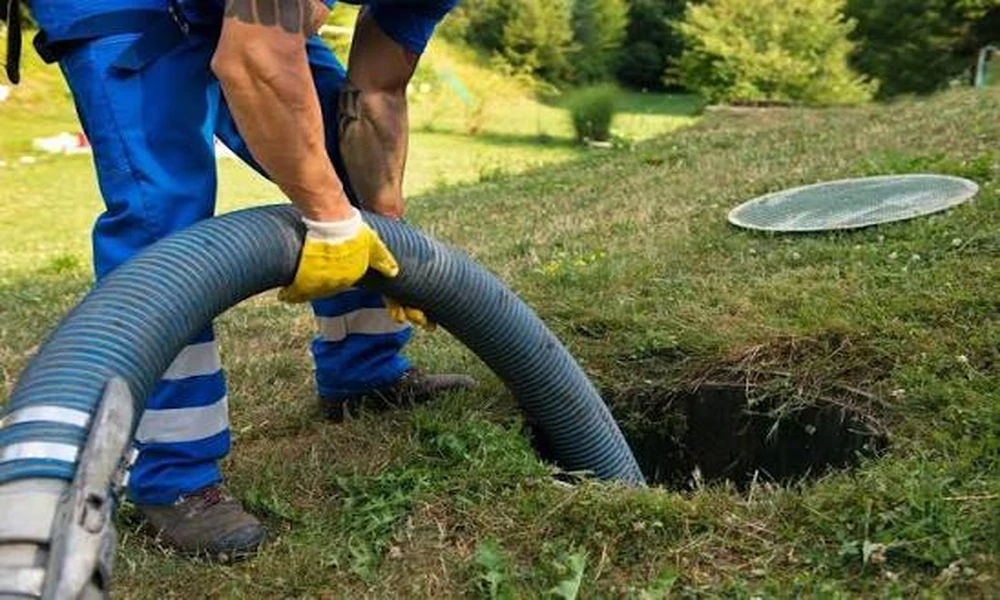
A septic tank receives wastewater from the property. Inside the tank, solids settle into a layer of sludge, while fats and other lighter material collect at the surface. The liquid passes out of the tank into a drainage field, where it filters through the ground. Emptying removes the material that builds up in the tank before it can travel into the drainage field and clog it.
A septic tank holds liquid during normal operation, so the presence of liquid alone tells you little about whether it needs emptying. The sludge level, the service history and the manufacturer’s instructions are more useful. For domestic septic systems that discharge to the ground in England, Environment Agency guidance advises removing sludge at least once a year or following the manufacturer’s instructions. Use a registered waste carrier for the job.
Start with what is happening inside the property
If the kitchen sink is the only fixture draining slowly, the blockage may be close to the sink. If the downstairs toilet gurgles when the washing machine empties, or several fixtures start draining slowly together, the fault may be further along a shared pipe or somewhere in the septic system. Tell the engineer which fixtures are affected and what was running when you noticed the problem.
Timing matters too. If the drains worked normally after the last emptying but slowed again within days, tell the contractor how long the improvement lasted. A second tanker visit might bring temporary relief while leaving the cause in place. Where the symptoms keep returning, an inspection can check the pipework and tank before you spend more money on repeat callouts.
Look at the ground around the system
You can learn a fair amount without opening a cover. Look for a patch of ground over the drainage field that stays wet after the rest of the garden has dried. Note any sewage smells or pooling water near the tank or drainage field. If you spot a change, record where it is and when you first noticed it. A photo taken from dry ground can help an engineer find the area quickly.
A wet patch can have several causes, especially after heavy rain. When it appears alongside persistent smells or slow drains, arrange an inspection. If sewage is surfacing outdoors or backing up indoors, keep people and pets away from affected areas and seek professional help straight away. Leave tank covers closed.
What an engineer can check before recommending work
An engineer can assess the tank, check the inlet and outlet pipes and look for signs that wastewater is struggling to leave the system. Where a buried pipe is suspected, a camera survey may reveal a blockage, displaced joint or damage from roots. The findings help determine whether you need routine emptying, a local repair or further investigation of the drainage field.
DASA carries out inspections, cleaning and emptying, repairs and drainage field investigations. If you are arranging a visit, share the date of the last emptying, any previous repair reports and the location of the tank if you know it. Mention access restrictions when you call, especially if the property has a narrow drive, locked gates or limited space for a tanker.
Keep a record that someone else could use
Save the tank manual, invoices and inspection reports together. Add a simple plan showing where the tank and drainage field sit. Mark the route a contractor can use to reach the tank and note anything that could make access difficult. If you are a landlord, give tenants a contact number and ask them to report recurring slow drains, sewage smells or wet patches as soon as they spot them.
Good records also help when a property changes hands. If you are buying a home with a septic tank, ask when it was last emptied, where it discharges and whether the seller has had any repairs carried out. An emptying invoice gives you a service date. An inspection report gives you a clearer idea of the system’s condition and any work you may need to budget for.
A few habits that protect the drainage field
Put wipes and sanitary products in the bin and let cooking fat cool before disposing of it with household waste. Keep vehicles off the drainage field and check its location before planning a driveway or garden building. If you are converting an outbuilding into a holiday let or adding space for more occupants, ask a specialist whether the existing system has enough capacity for the extra use.
Review the emptying schedule when the way you use the property changes. A holiday cottage that used to sit empty for much of the year can put more demand on its septic system once it starts taking bookings most weekends. Keep track of those changes and raise them at the next service visit. If the property shares a system with a neighbour, agree who books the work, how costs are split and where everyone can find the service records.
If you have inherited a system with little paperwork or are dealing with a fault that keeps coming back, DASA can help you work out what needs attention. Its engineers support homeowners, landlords, businesses and insurers across the UK with planned maintenance and drainage repairs.