
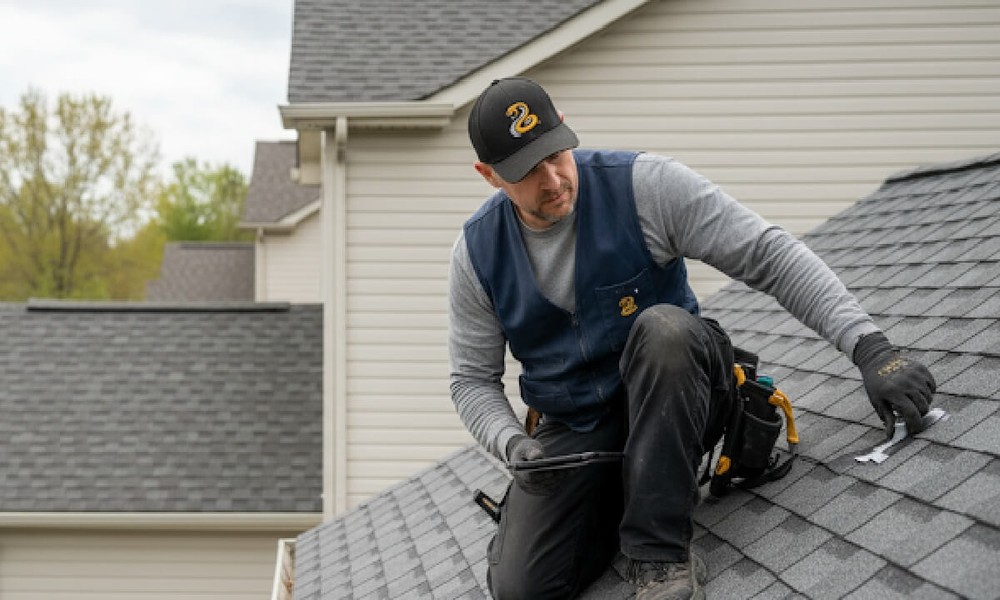
Your roof is the primary defense mechanism for your home, protecting your interior assets and structural integrity from the elements. When the time comes for a repair or a full replacement, the decision of which contractor to hire can be the difference between a decades-long solution and a recurring financial drain. In high-desert climates like Southern Utah, where extreme temperature swings and intense UV radiation accelerate material degradation, the quality of installation is just as important as the materials used.
To ensure you are hiring a professional who prioritizes longevity over a quick turnaround, use the following checklist to evaluate your options.
Verification of Credentials and Compliance
Before discussing shingles or slopes, you must verify that the contractor is legally and financially equipped to handle your project. A mistake in this phase can leave the homeowner liable for workplace injuries or unfinished work.
Licensing and Insurance
A reputable contractor should provide proof of both general liability insurance and workers’ compensation. General liability protects your property from accidental damage during the project, while workers’ compensation ensures that if a crew member is injured on your roof, the claim does not fall on your homeowner’s insurance. Verify that their license is current and active within the state.
Manufacturer Certifications
Not all roofers are created equal in the eyes of material manufacturers. Look for contractors who hold specific certifications from brands like GAF, Owens Corning, or CertainTeed. These certifications often allow the contractor to offer extended warranties that a non-certified installer cannot provide. This is a measurable outcome: a certified installer can often provide a “system warranty” that covers both materials and labor, whereas a standard warranty may only cover the product itself.
Assessing the Quality of the Proposal
A vague estimate is a red flag. A professional proposal should be a detailed roadmap of the project, leaving little room for “surprise” costs halfway through the job.
Detailed Scope of Work
Ensure the estimate breaks down the project into specific phases. It should explicitly mention:
- Tear-off process: Will they remove the old layers or simply roof over them? (The former is always recommended for proper inspection).
- Underlayment and flashing: What specific water-proofing membranes are being used?
- Ventilation: How will they improve attic airflow to prevent premature shingle aging?
- Cleanup: Does the price include a magnetic sweep for nails and the hauling away of all debris?
Local Expertise and References
Roofing requirements vary by region. A contractor who understands the specific wind loads and heat challenges of the region will suggest different materials than one operating in a humid, coastal environment. When searching for roofers St George, prioritize those who can provide a portfolio of local projects. Ask for references from jobs completed three to five years ago, not just last month; this allows you to verify how the roof has weathered several seasonal cycles.
Operational Red Flags and Green Flags
The way a company conducts its business during the bidding process is usually an indicator of how they will handle the actual installation.
Warning Signs
- The “Today Only” Discount: Be wary of contractors who offer a massive discount if you sign the contract on the spot. Professional firms have stable pricing based on material costs and labor hours, not high-pressure sales tactics.
- Cash-Only Requests: Requests for large upfront cash payments before materials arrive on-site are a significant risk.
- Lack of a Physical Address: Avoid “storm chasers” who operate out of a hotel or a temporary trailer. A local office indicates a commitment to the community and a place you can go if a warranty claim needs to be filed.
Positive Indicators
- Comprehensive Site Inspection: A contractor who spends an hour on your roof and in your attic is more likely to provide an accurate quote than one who gives an estimate from the driveway.
- Clear Communication Channels: A dedicated project manager or a clear point of contact ensures that you aren’t left guessing about the timeline or the daily progress of the crew.
- Emphasis on Ventilation: A contractor who talks more about your attic vents and soffits than the color of your shingles is focusing on the health of the entire system, not just the aesthetic surface.
Finalizing the Agreement
Once you have narrowed your list to two or three qualified candidates, compare the final contracts. Ensure the payment schedule is tied to milestones-such as the delivery of materials and the final inspection-rather than arbitrary dates. By following this checklist, you shift the power dynamic from the salesperson to the homeowner, ensuring that your investment results in a secure, weather-tight home for years to come.