
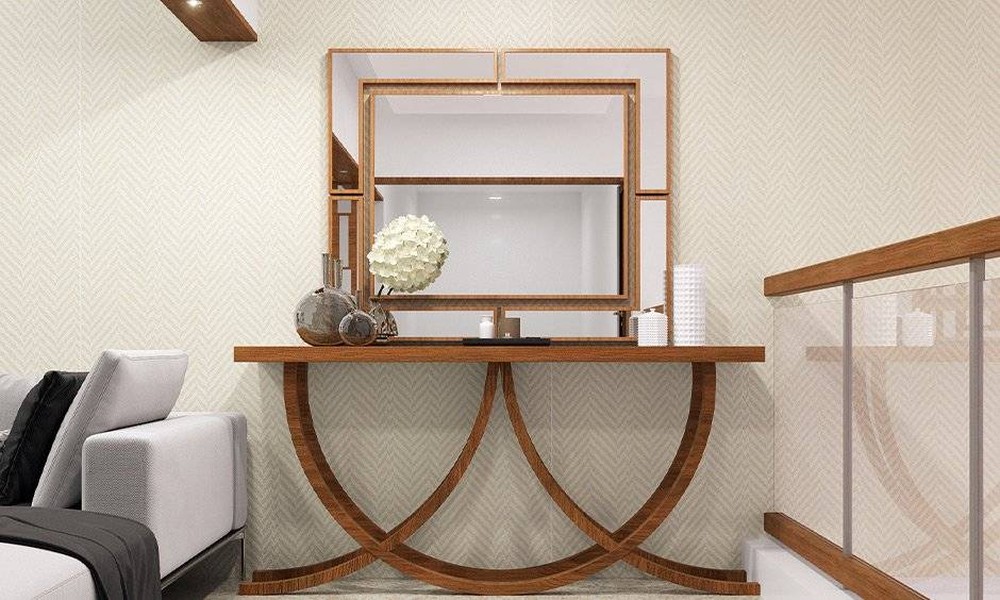
A console table is one of those deceptively simple pieces of furniture. Slim, often understated, and usually placed against a wall, it can either elevate your space or quietly become a clutter magnet. The difference comes down to one thing: balance. Specifically, the balance between style and function.
If you approach it purely as décor, you risk ending up with something beautiful but impractical. Go too functional, and you might end up with a piece that feels more like storage than design. The sweet spot sits right in the middle, and that’s where a well-crafted console table proves its value.
Let’s break down how to get there without overcomplicating the process.
Start With Purpose (Not Aesthetics)
Before even thinking about materials or finishes, get brutally honest about what you need the table to do.
Console tables are often used as:
- Entryway drop zones for keys, bags, and post
- Display surfaces for décor and lighting
- Storage units with drawers or shelves
- Transitional pieces behind sofas or in hallways
Design advice consistently emphasises that function should drive your decisions, not the other way around. A functional console table can act as a “drop-off zone” or provide hidden storage depending on your needs.
If your daily routine involves dumping essentials the second you walk in, a sleek glass table with zero storage is not a smart investment. It will look good for about three days-then reality kicks in.
Get the Proportions Right (This Is Non-Negotiable)
You can buy the most stunning console table on the market, but if the proportions are off, it will always feel wrong.
Here’s the operational framework:
- Height should sit roughly in line with your sofa back or slightly lower
- Length should be at least two-thirds of the furniture it’s paired with
- Depth should suit the space-especially in narrow hallways
These aren’t arbitrary rules. They exist to maintain visual balance and usability. A well-proportioned table improves flow and prevents the space from feeling cramped or awkward.
Think of it this way: proportion is the difference between “styled” and “squeezed in.”
Choose Materials That Work Hard and Look Good
This is where style and function start merging.
Different materials bring different advantages:
- Wood: Warm, durable, and adaptable across styles
- Metal: Strong, modern, and low maintenance
- Glass: Lightweight visually, ideal for small spaces
- Mixed materials: Add depth and visual interest
Mixing materials like a wooden top with metal legs creates both durability and aesthetic contrast .
From a strategic standpoint, you’re not just buying for today’s look. You’re investing in how the piece performs over time. Cheap materials might win on price but lose on longevity and daily usability.
Storage: The Silent Dealbreaker
Here’s where most people miscalculate.
A console table without storage can work beautifully in a minimalist or low-traffic space. Anywhere else? It becomes a liability.
Drawers, shelves, or even space underneath for baskets can transform the table into a functional asset. They help manage everyday clutter-keys, mail, chargers-without compromising aesthetics .
Even designers recommend using trays or baskets to keep small items organised while maintaining a polished look.
In practical terms: if your lifestyle generates clutter, your furniture should absorb it-not display it.
Style Should Complement, Not Compete
A console table does not exist in isolation. It’s part of a larger visual system.
The goal is alignment, not dominance.
If your space already has strong design elements-patterns, bold colours, statement furniture-your console table should dial things down. On the flip side, a neutral room can benefit from a more distinctive piece that acts as a focal point.
This is where many setups go wrong. People try to make every piece a “statement,” and the result is visual chaos.
A console table should either:
- Support the overall aesthetic, or
- Quietly stand out without overwhelming everything else
There is no third option.
Think Vertically, Not Just Horizontally
A console table is only half the story. The space above it matters just as much.
Designers consistently recommend pairing it with:
- Mirrors (to reflect light and create depth)
- Artwork (to anchor the space visually)
- Lighting (to add warmth and function)
Layering a mirror or artwork above the table helps create a complete visual composition rather than leaving the table looking isolated.
Balance Styling Without Overcrowding
Styling is where function often gets sacrificed. It’s easy to overload a console table with décor until it becomes unusable.
The smarter approach:
- Mix heights (lamp, vase, books)
- Use odd-number groupings
- Leave negative space
Creating balance, through symmetry or asymmetry, keeps the setup visually appealing without cluttering the surface.
And yes, restraint is part of good design. If everything is on display, nothing stands out.
Lighting Is Not Optional
If your console table sits in an entryway or hallway, lighting is not a “nice to have.” It’s operational.
A table lamp:
- Adds ambient lighting
- Improves functionality at night
- Enhances the overall mood
Design guidance consistently highlights lighting as both a practical and aesthetic addition that brings warmth and purpose to the space .
In corporate terms: it delivers dual ROI-utility and atmosphere.
Make It Personal (But Controlled)
A console table is one of the easiest places to inject personality into your home.
Photos, travel souvenirs, books-these elements turn the table into something more than just furniture. They make it feel lived-in and intentional.
At the same time, there’s a fine line between curated and cluttered. Personal items should be edited, not displayed in bulk.
Experts often suggest incorporating meaningful pieces while maintaining a sense of balance and cohesion.
Translation: tell a story, but keep it concise.
Final Take: It’s a Strategic Piece, Not Just Decorative
A console table that balances style and function is not chosen on impulse. It’s selected with intent.
It should:
When all of these elements align, the console table stops being an afterthought. It becomes a high-performing piece of furniture that delivers both aesthetic value and everyday utility.
In short, the best console tables don’t just look good-they work hard behind the scenes.