
The lifespan of fresh flowers varies depending on the type of flower, how they were handled, and the care they receive at home. On average, most cut flowers last between five to seven days. Some flowers, like carnations and chrysanthemums, can last up to two weeks, while delicate blooms such as tulips and lilies may last only three to five days.
Does the type of flower affect freshness?
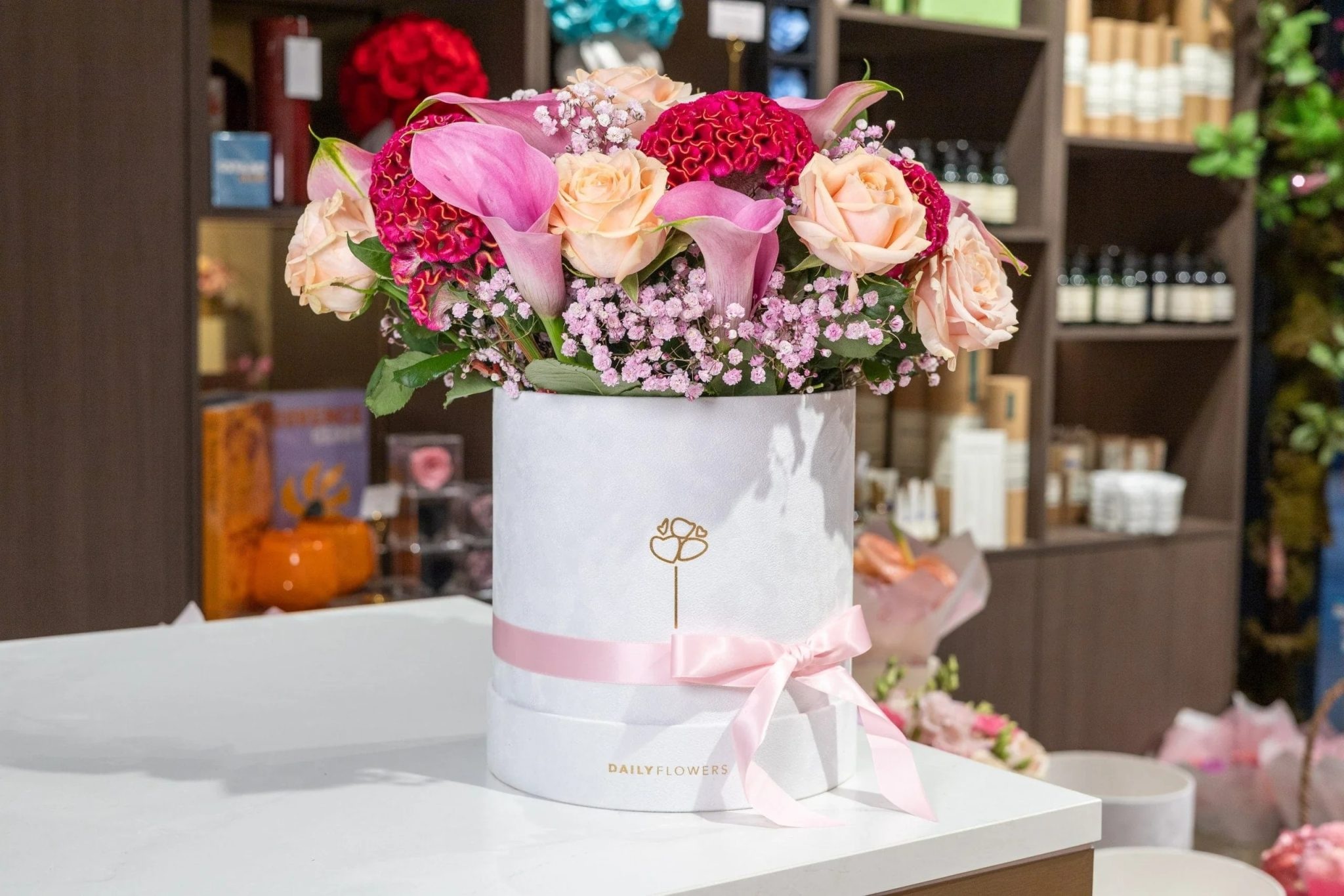
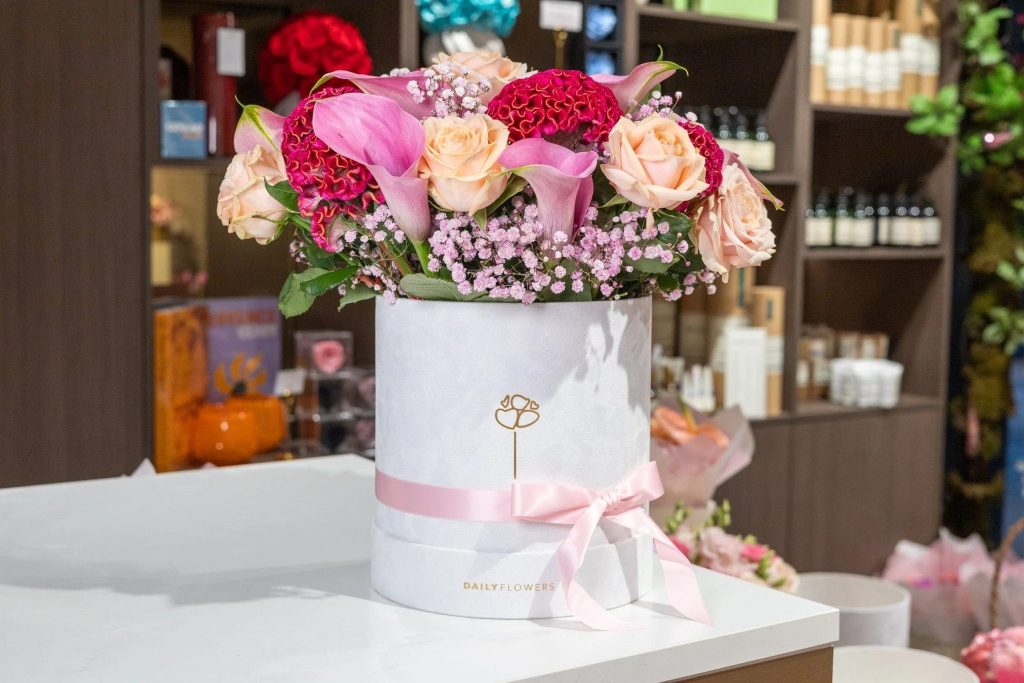
Yes, flower type significantly impacts how long they stay fresh. Hardy flowers like carnations, orchids, and chrysanthemums are known for their longevity. Softer flowers such as roses, tulips, and lilies are more delicate and tend to wilt faster if not properly cared for. Knowing the type of flower you receive can help you adjust care to extend freshness. Arrangements like flowers in a box often last longer thanks to their water-soaked bases, which keep each stem hydrated from delivery through to display.
How does temperature affect flower longevity?
Temperature plays a crucial role in flower freshness. Flowers last longer in cool environments, ideally around 65°F to 72°F during the day and slightly cooler at night. Avoid placing flowers in direct sunlight, near heaters, or next to appliances that emit heat. Extreme temperatures can cause petals to wilt or leaves to dry out quickly.
Do flowers stay fresh longer in water?
Yes, keeping flowers in water is essential for their longevity. Cut flowers absorb water to stay hydrated and maintain structure. Using a clean vase filled with fresh water and changing it every two days helps prevent bacteria growth, which can shorten the life of flowers. Adding flower food to the water can also extend freshness.
Does trimming stems help flowers last longer?
Trimming the stems before placing flowers in a vase improves water absorption. Cutting about one to two inches at a 45-degree angle allows flowers to take in more water efficiently. Re-trimming stems every few days can further support their freshness.
How does flower arrangement affect freshness?
The arrangement of flowers can impact how long they stay fresh. Crowded flowers may reduce airflow and trap moisture, causing petals to wilt faster. Arranging flowers with enough space for each stem promotes better water absorption and prevents premature deterioration.
Do certain environments shorten flower life?
Yes, environmental factors can influence how long flowers stay fresh. Exposure to drafts, direct sunlight, or ripening fruits can shorten their lifespan. Ethylene gas, emitted by fruits, can accelerate aging in flowers. Keeping flowers away from these conditions helps maintain their freshness longer.
Can proper care extend the life of flowers?
Absolutely. Providing the right care can significantly extend the life of flowers. Steps include:
- Using a clean vase and fresh water
- Adding flower food to the water
- Trimming stems at an angle before placing them in water
- Removing wilted leaves and petals
- Keeping flowers in a cool, well-ventilated space
How do floral preservatives help?
Floral preservatives contain nutrients and antibacterial agents that support hydration and reduce bacterial growth. Adding these to the vase water helps flowers absorb water more efficiently, preventing premature wilting and extending overall freshness.
Is there a difference between store-bought and delivery flowers?
Flowers delivered from a florist are typically fresher than store-bought flowers because they are handled with care and often harvested closer to peak bloom. However, proper care at home is still essential to ensure they remain fresh for as long as possible.
Conclusion
The freshness of flowers after delivery depends on flower type, care, and environmental conditions. Most flowers last five to seven days, with hardy blooms lasting longer. By trimming stems, keeping flowers in clean water with floral preservative, and avoiding heat or direct sunlight, you can enjoy your bouquet for an extended period. Proper care ensures that flowers remain vibrant, beautiful, and fragrant, making your delivery a lasting delight.