
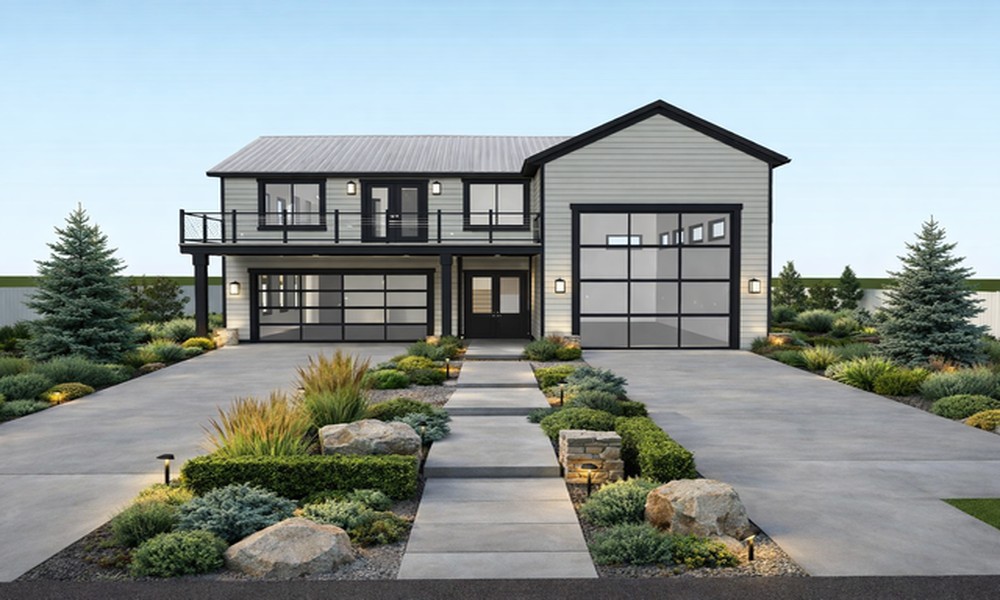
A strong house plan does more than arrange bedrooms, bathrooms, and a kitchen. In Utah, the plan has to respond to heat, snow, elevation, soil, views, and the way a family actually moves through the home. A layout that works well in one part of the state can feel wasteful or uncomfortable somewhere else. That is why efficient design starts before finishes, cabinet colors, or rooflines enter the conversation.
The best plans make practical choices early. They place rooms where light and shade help instead of fight the house. They reduce wasted square footage. They account for sloped lots, clay soil, mountain weather, and desert sun. When those decisions are handled on paper, the finished home is easier to build, less expensive to operate, and more comfortable to live in.
Climate Should Shape the Layout
Utah homes often deal with wide temperature swings. A house may need to hold warmth through freezing winter nights and stay cool during dry summer afternoons. Room placement, window sizing, ceiling height, and roof overhangs all affect how hard the HVAC system has to work.
South-facing windows can be useful when they are planned with the right shading. In winter, they can bring in steady natural light and warmth. In summer, a poorly shaded wall of glass can overheat the main living area by midafternoon. A practical plan balances daylight with protection, using covered patios, roof extensions, or smaller west-facing openings where heat gain is hardest to control.
Insulation and air sealing matter too, but they work best when the plan supports them. Complicated rooflines, awkward wall jogs, and oversized open volumes can create more places for heat to escape. A cleaner footprint is often easier to frame, seal, and maintain.
Every Square Foot Needs a Job
Efficient design is not always about building smaller. It is about making sure the square footage being built earns its keep. Long hallways, oversized transition spaces, and formal rooms that rarely get used can add cost without adding daily value.
A better plan groups related spaces together. Bedrooms can sit in a quieter wing. The kitchen, dining area, and family room can share light and circulation. Mudrooms, laundry rooms, and garages should connect in a way that matches real routines, especially for families bringing in coats, sports gear, groceries, or work equipment.
This is where reviewing Utah house plans carefully pays off. The right plan should show how people enter the home, where storage solves clutter, and how public and private spaces stay separate without wasting space. A hallway is useful when it creates privacy. It becomes expensive dead space when it only stretches the footprint.
The Lot Can Change the Best Design Choice
Utah’s terrain varies enough that the lot itself can decide which plan makes sense. A flat suburban parcel, a hillside lot, and a narrow infill property should not be treated the same way. The grade, driveway approach, drainage path, wind exposure, and view corridor can all change the smartest layout.
On a sloped lot, a walk-out basement may reduce excavation and create useful lower-level living space. On a flatter lot with expansive clay soil, foundation planning and drainage details become more important. In windy areas, garages, covered entries, and exterior walls can help shield the most-used living spaces.
The plan should also consider outdoor living. A patio that faces harsh afternoon sun may look good in a rendering but sit empty during the hottest months. A covered outdoor space placed near the kitchen, protected from wind, and oriented toward shade is more likely to be used.
Efficiency Should Still Feel Livable
A technically efficient home can still fail if it feels cramped, dark, or awkward. Good planning blends performance with comfort. The kitchen should support how the household cooks. The living room should have a natural furniture layout. Bedrooms should have enough wall space for beds and storage. Windows should frame views without creating glare or privacy problems.
Small design decisions often make the difference. A wider entry can keep the home from feeling tight. A tucked-away pantry can reduce kitchen clutter. A bathroom placed near outdoor access can be useful for kids, guests, or backyard gatherings. These choices do not always add square footage, but they make the home work better.
The most successful Utah homes are planned around real conditions, not generic templates. They respect the climate, use the lot intelligently, and avoid space that only adds cost. When the plan handles those fundamentals well, the finished home is more than attractive. It is durable, efficient, and easier to live in every day.