
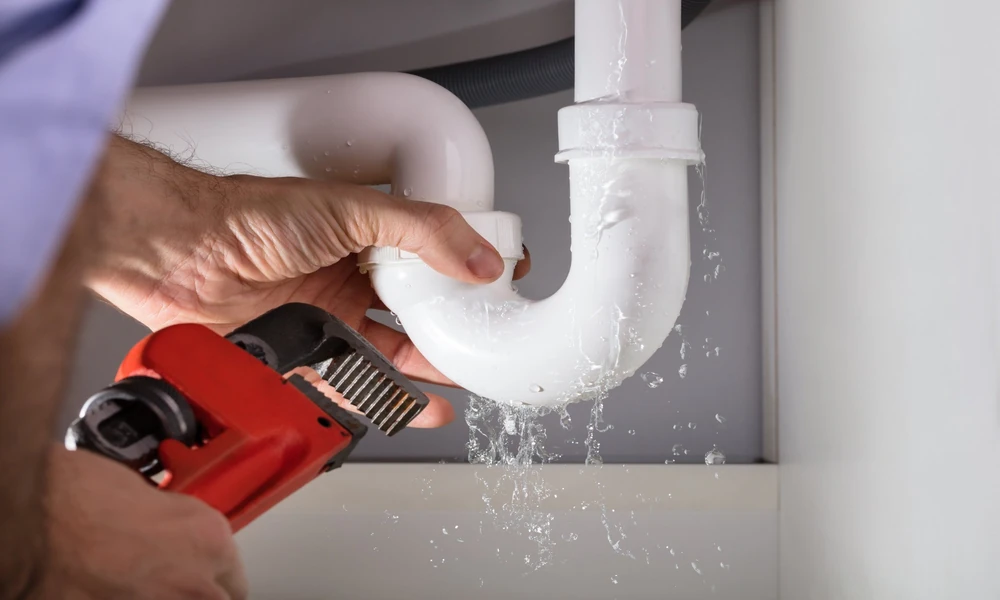
Plumbing systems are the unsung heroes of modern homes, quietly bringing clean water to our taps and carrying waste safely away. Because most pipework operates behind walls and beneath floorboards, it is easy to take these vital networks for granted until something goes wrong. A minor leak or a slow-draining sink might seem harmless at first, but untreated plumbing issues can rapidly escalate into severe structural damage, mould growth, and astronomical repair bills.
Taking a proactive approach to residential maintenance is far more effective than reacting to sudden emergencies. Understanding how your system functions and addressing minor warning signs early minimizes the need for extensive plumbing repair for your home, saving you time, stress, and substantial sums of money in the long run.
Understanding Common Sources of Household Water Damage
Water damage rarely occurs out of nowhere. In most cases, it is the result of gradual wear and tear, excessively high system pressure, or improper appliance usage. Identifying vulnerable areas in your property allows you to take defensive action long before significant harm occurs, ensuring you do not have to book urgent plumbing repair for your home when a major joint or fixture suddenly fails.
Hidden Pipe Leaks
- Corrosion in Metal Pipes: Older copper or galvanized steel pipes naturally degrade over time, leading to pinhole leaks that can saturate nearby timber and plasterwork undetected for months.
- Loose Appliance Connectors: Flexible hoses behind washing machines, dishwashers, and refrigerators under constant pressure can crack or come loose, releasing dozens of litres of water within hours.
- Degraded Seals and Caulking: Worn silicone around bath rims and shower trays allows water to seep into subflooring during every shower, rotting joists silently beneath the tiles.
High Water Pressure Issues
While strong water pressure feels pleasant in the shower, excessively high pressure places continuous stress on pipe joints, valves, and home appliances. Municipal supply pressure fluctuates, and without a properly calibrated pressure-reducing valve, your system risks sudden joint failure or ruptured supply lines.
Essential Preventative Maintenance Practices
Preventing expensive plumbing disasters does not require an engineering degree. Implementing a few straightforward habits into your regular home maintenance routine protects your infrastructure and ensures everything runs smoothly.
Monitoring Water Pressure and Quality
Installing a simple pressure gauge on an outdoor tap helps you monitor incoming water force. Ideal residential water pressure generally ranges between 40 and 60 pounds per square inch. If your reading consistently exceeds this threshold, hiring a qualified plumber to fit a pressure regulator is a wise investment that safeguards every fixture in the property.
Furthermore, if you live in a hard water area, mineral deposits can gradually narrow the internal diameter of your pipes and cause heating elements in boilers to fail prematurely. Investing in a home water softener mitigates limescale build-up, extending the operational lifespan of your entire network.
Responsible Waste Disposal in Kitchens and Bathrooms
- Mind What Goes Down the Sink: Cooking fats, oils, and grease should never be poured down kitchen drains. They cool, solidify, and adhere to pipe walls, trapping food debris and creating stubborn blockages.
- Flush Only the Essentials: Toilets are designed strictly for human waste and toilet paper. Flushing items like sanitary products, wet wipes, facial tissues, or dental floss causes severe main line obstructions.
- Use Drain Strainers: Placing mesh strainers over shower and basin outlets catches hair, soap scum, and small debris before they enter the internal drainage system.
Preparing Your Plumbing for Seasonal Changes
Temperature fluctuations present unique challenges to domestic pipework, particularly during the colder months when freezing temperatures pose a severe risk to uninsulated infrastructure.
Winterizing External and Unheated Pipes
When water freezes inside a pipe, it expands, creating immense internal pressure that can easily burst copper or plastic lines. Before winter sets in, disconnect and drain all garden hoses, and turn off internal isolation valves serving external taps. Insulate exposed pipework in unheated spaces like lofts, basements, and garages using foam pipe lagging to prevent sudden freeze-thaw ruptures.
Checking Central Heating and Boilers
Bleeding your radiators ahead of the cold season releases trapped air, ensuring your heating system operates efficiently without putting unnecessary strain on the boiler. Scheduling an annual boiler service with a certified engineer guarantees that relief valves, pumps, and expansion vessels function correctly before demand peaks.
Early Indicators That Warrant Professional Attention
Learning to recognize subtle warning signs empowers you to act before minor faults turn into widespread structural issues. Watch out for unexplained increases in your monthly water bills, damp patches on ceilings or walls, unexplained drops in tap pressure, or persistent damp odours near kitchen cabinets.
Conclusion
Preventing severe plumbing damage relies on consistency, awareness, and timely intervention. By monitoring system pressure, practicing responsible drain usage, and preparing your property for winter, you safeguard your home against unexpected water disasters. Investing small amounts of effort into regular maintenance preserves your property’s value and provides lasting peace of mind.