
Introduction
These projects can include roads, bridges, housing complexes, commercial buildings, and industrial facilities. One of the biggest challenges in such projects is managing costs while maintaining quality and safety. Cost-effective solutions help construction teams complete projects within budget without compromising performance.
Smart Planning and Design
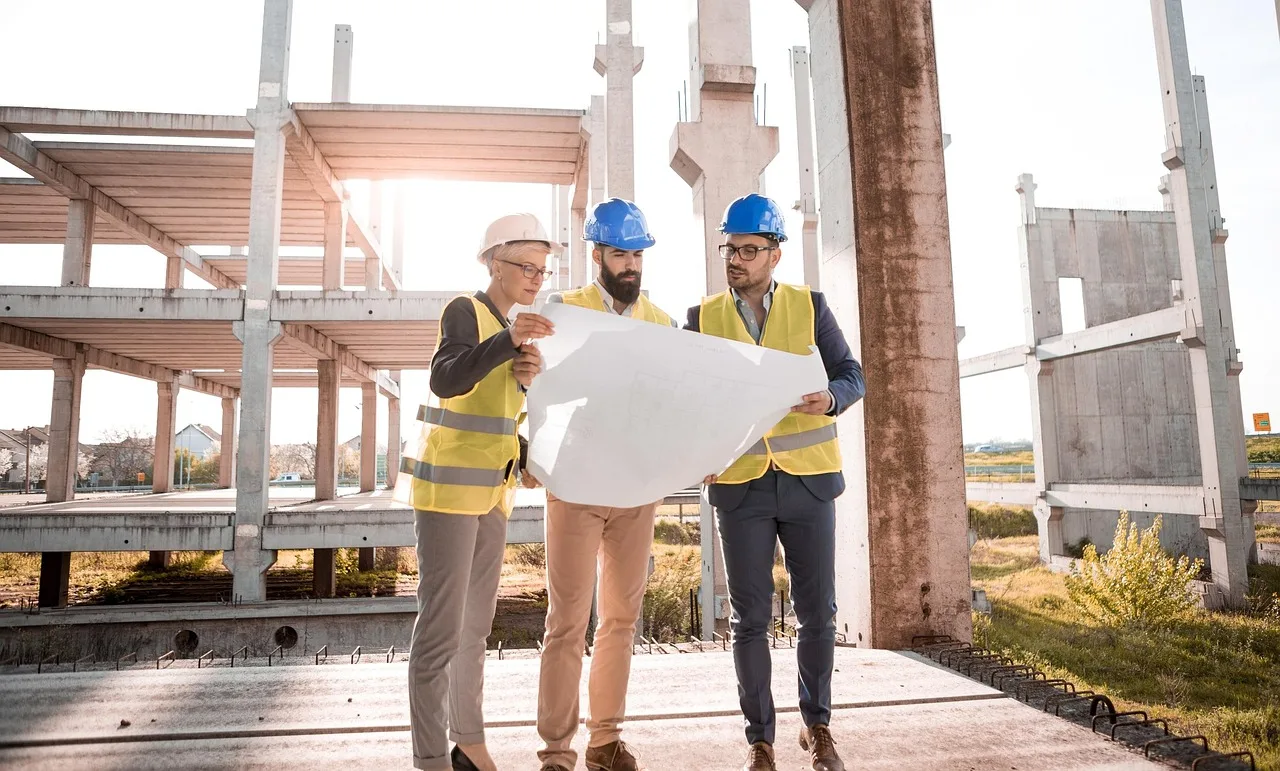
Effective cost control starts with proper planning and design. Before construction begins, project managers must conduct detailed site surveys and feasibility studies. This information helps identify possible challenges and avoid unexpected costs later. Clear blueprints and accurate material estimates also prevent delays and waste. Using simple designs where possible, along with cost-effective building equipment, can reduce construction time and expenses.
Choosing the Right Materials
Selecting the right materials is a key factor in cost-effective construction. Not all expensive materials produce better results. Sometimes, more affordable alternatives offer the same strength and durability. For example, using recycled or locally sourced materials can reduce transportation costs and support sustainability. Regularly checking material prices and ordering in bulk can lead to discounts. Proper storage and handling of materials also reduces damage and waste, saving money in the long term.
Skilled Labour and Efficient Work Practices
Labour costs take up a large part of any construction budget. Hiring skilled workers ensures that tasks are completed quickly and correctly. Skilled workers make fewer mistakes, which reduces rework costs. Training workers in safe and efficient methods also increases productivity. Effective communication between teams prevents misunderstandings and keeps the project on schedule. Scheduling tasks in the right order helps avoid idle time, which reduces labour costs.
Use of Technology and Modern Equipment
Technology plays an important role in saving time and money in large projects. Construction software can help manage schedules, budgets, and resource allocation. These tools allow managers to track progress and make informed decisions. Modern equipment, such as cranes, excavators, and concrete mixers, speeds up work and improves precision. Although technology may require an initial investment, it leads to long-term savings through faster completion and fewer errors.
Waste Reduction and Recycling
Reducing waste is an effective way to cut costs. Construction projects often produce excess material waste, which increases disposal fees and material expenses. Sorting materials for reuse and recycling can reduce both waste and cost. For instance, leftover wood, metal, and concrete can be reused in other parts of a project. Waste reduction also supports environmental sustainability, which is an added benefit.
Conclusion
Cost-effective solutions are essential for successful large-scale construction projects. Smart planning, choosing suitable materials, hiring skilled workers, using modern technology, and reducing waste all help keep costs under control. These approaches ensure that projects stay within budget while maintaining quality and safety. By adopting efficient construction practices, teams can complete large projects on time and with fewer financial challenges. Careful management and practical solutions make large-scale construction both affordable and successful.