
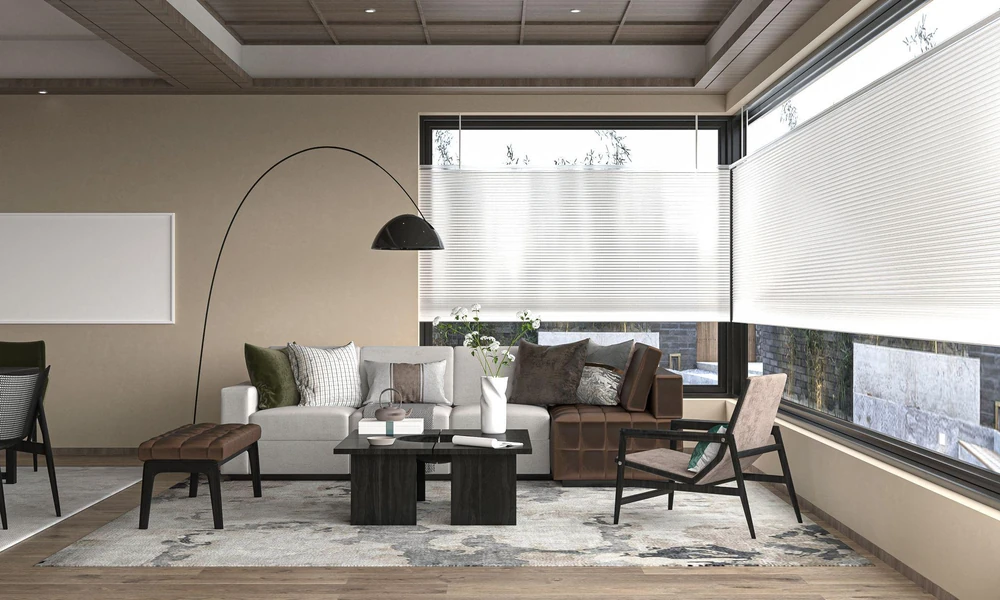
Key Takeaways
- Smart blinds can integrate with home automation systems for greater convenience.
- Automated scheduling improves comfort, privacy, and energy efficiency.
- Motorised blinds offer a clean, modern solution for contemporary Singapore homes.
- Connected blinds can complement other smart devices for a seamless living experience.
Introduction
The connected home is no longer a futuristic concept. Across Singapore, homeowners are embracing technology that makes daily living easier, more efficient, and more comfortable. From smart lighting and voice assistants to automated security systems, technology is quietly becoming part of everyday routines.
One feature that is gaining attention is the use of smart window coverings. More homeowners are discovering how smart blinds in Singapore can work alongside other connected devices to create a living environment that feels intuitive and effortless. Beyond convenience, these solutions offer practical benefits that suit modern lifestyles and urban living spaces.
Why Smart Blinds Are Becoming a Home Essential
Smart homes rely on devices that communicate and work together. Blinds may not be the first feature that comes to mind, yet they play a surprisingly important role.
Traditional blinds require manual adjustments throughout the day. Motorised systems remove this repetitive task by allowing users to control blinds through a remote control, smartphone application, or voice command. A simple instruction can adjust multiple blinds at once, creating the desired atmosphere in seconds.
For homeowners managing busy schedules, convenience matters. Imagine waking up to natural daylight filtering gently into the room without needing to leave the bed. It is a small detail, yet these little moments contribute to a more comfortable daily routine.
Many households are turning to smart blinds in Singapore because they combine modern aesthetics with practical functionality. Their sleek appearance also complements contemporary interior design trends commonly seen in condominiums, landed properties, and HDB flats.
How Automated Blinds Connect With Smart Home Systems
The true value of motorised blinds becomes clear when they interact with other smart devices.
Most modern systems can be integrated with home automation platforms. This allows blinds to respond automatically based on schedules, sunlight levels, room temperature, or occupancy settings. Rather than operating as a standalone feature, they become part of a larger ecosystem.
For example, automated blinds in Singapore can be programmed to close during the hottest part of the afternoon. This helps reduce heat entering the home, allowing air-conditioning systems to work more efficiently. During cooler periods, the blinds can open to maximise natural light.
Voice-controlled assistants add another layer of convenience. Homeowners can adjust window coverings while cooking, working, or relaxing without interrupting what they are doing. It is a simple concept, yet it reflects how technology can quietly improve everyday experiences.
Comfort, Privacy, and Energy Savings Working Together
One interesting aspect of connected homes is that a single device often delivers multiple benefits. Smart blinds are a good example.
Privacy is a major concern in densely populated urban environments. Scheduled adjustments allow blinds to close automatically during specific hours, reducing the need for constant manual monitoring. This is especially useful for ground-floor units or homes facing neighbouring buildings.
Energy efficiency is another advantage. Singapore’s tropical climate brings strong sunlight throughout much of the year. Excessive heat entering through windows can increase indoor temperatures significantly. By using automated blinds in Singapore to manage sunlight exposure, homeowners can help maintain a more comfortable indoor environment while reducing cooling demands.
There is also the comfort factor. Lighting conditions influence how a space feels. Automated adjustments throughout the day can create a balanced atmosphere, whether the goal is working from home, enjoying family time, or winding down in the evening.
Choosing Smart Blinds for a Future-Ready Home
Technology continues to evolve, but some home improvements remain valuable regardless of changing trends. Smart blinds fall into this category because they combine convenience, functionality, and design appeal.
When selecting motorised blinds, homeowners should consider compatibility with existing smart home systems, ease of operation, and the quality of materials. Reliable performance is essential because window coverings are used daily.
Many property owners also appreciate the clean and uncluttered appearance that motorised systems provide. Without visible cords or complicated controls, the overall look remains neat and sophisticated.
As more households embrace connected living, smart blinds in Singapore are becoming a natural extension of the modern home. They contribute to a seamless experience where comfort, technology, and design work together rather than competing for attention.
Conclusion
Smart blinds offer much more than automated window coverings. They support privacy, improve energy efficiency, enhance comfort, and integrate smoothly with broader home automation systems. As connected living becomes increasingly common, these intelligent solutions help create homes that are both practical and enjoyable to live in.
For homeowners looking to create a smarter and more comfortable living environment, motorised blinds provide a worthwhile addition that blends technology with everyday convenience.
Contact De Art Studio to explore premium motorised blind solutions for your home.